1st Xmas Baby Romper Christmas Ornament: A Comprehensive Evaluation
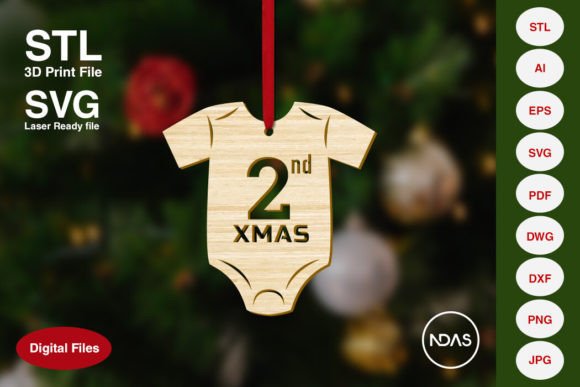
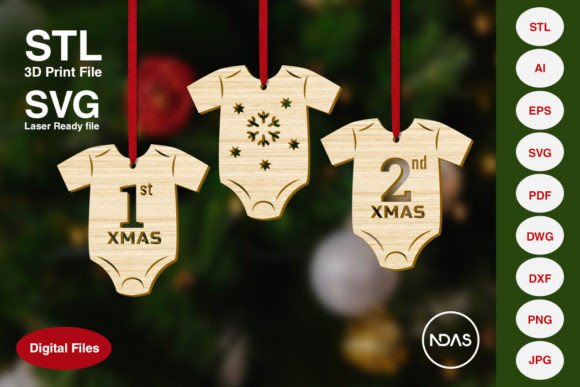
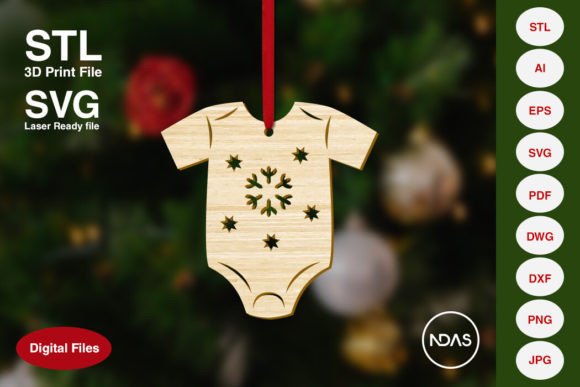
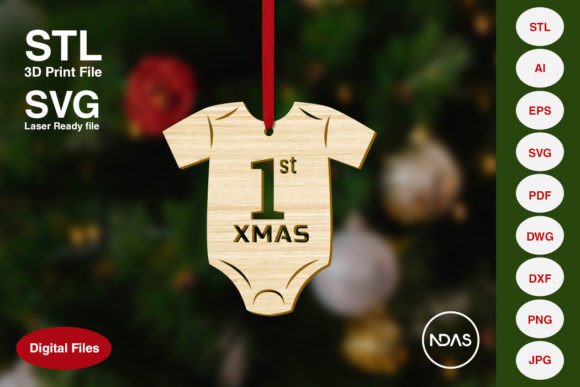
The holiday season often brings a desire to personalize home decor and capture fleeting family milestones. Among the various options available, the 1st Xmas Baby Romper Christmas Ornament has emerged as a popular choice for parents and craft enthusiasts looking to document a baby's first Christmas in a unique way. This specific design features a baby dressed in a romper, intended to be created through laser cutting or 3D printing technologies. Unlike mass-produced store-bought items, this digital asset allows users to produce a custom decoration that fits their specific material preferences and aesthetic goals.
Understanding the Product Format
It is crucial to understand that the 1st Xmas Baby Romper Christmas Ornament is not a physical product shipped to your door. Instead, it is a comprehensive digital package designed for fabrication. The download typically includes a wide array of file formats to ensure compatibility with various machines and software environments. These include:
- STL Files: Essential for 3D printing workflows, allowing users to create a three-dimensional version of the ornament.
- SVG Files: Optimized for vector-based laser cutters and vinyl cutting machines like Cricut or Silhouette.
- EPS, DXF, and DWG Files: Standard engineering and design formats used by professional CNC routers and laser cutters.
- PDF and PNG/JPG Files: Useful for visual reference, scaling, or direct printing on paper if a non-cutting method is preferred.
This variety of formats ensures that whether you are an experienced maker or a hobbyist just starting out, there is likely a file type compatible with your existing equipment.
Sizing and Scalability Considerations
One of the primary advantages of using a digital template for the 1st Xmas Baby Romper Christmas Ornament is the flexibility regarding dimensions. The standard specifications provided are approximately 4.5 x 4.5 inches for the 2D versions, with a thickness (Z-axis) of roughly 0.25 inches for the 3D models. However, these measurements are not fixed constraints.
Users can scale the design up or down depending on their needs. For instance, if you plan to use thin cardboard for a quick project, a larger size might provide better structural integrity. Conversely, if you are working with expensive materials like acrylic or metal, scaling the design down slightly could reduce material costs while maintaining the intricate details of the romper design. This scalability makes the design adaptable to different display settings, from large tree branches to small gift tags.
Material Versatility and Fabrication Methods
The design is engineered to work across a broad spectrum of materials, which significantly influences the final look and feel of the ornament. When considering the fabrication process, several factors come into play:
Laser Cutting Options
For flat designs, materials such as plywood, MDF, cardboard, and paper are commonly used. Wood offers a warm, rustic aesthetic that pairs well with traditional Christmas themes. MDF provides a smooth surface ideal for painting, while cardboard is a cost-effective option for temporary decorations or children's crafts. Acrylic and metal offer a modern, sleek finish but require more powerful laser settings and safety precautions.
3D Printing Applications
The included STL file allows for the creation of a solid, three-dimensional object. This method is particularly useful for creating ornaments that stand upright without additional support or for adding depth to the romper design. Common 3D printing materials include PLA and ABS plastics. While plastic offers durability, it may lack the natural texture of wood. Users should consider the layer lines inherent in FDM printing when deciding if the 3D version meets their quality standards.
Evaluating Benefits and Tradeoffs
Choosing a DIY approach with the 1st Xmas Baby Romper Christmas Tree Decoration Ornament involves weighing distinct benefits against potential challenges.
Key Benefits
- Customization: You control the color, material, and size, ensuring the ornament matches your specific decor theme.
- Cost Efficiency: Digital files are a one-time purchase, often costing less than multiple high-quality handmade ornaments over time.
- Skill Development: Working with this file set provides practical experience with CAD software, slicing tools, and machine operation.
- Uniqueness: Unlike factory-made items, your creation is one-of-a-kind, adding sentimental value to the keepsake.
Potential Drawbacks
- Technical Barrier: Success depends on having access to the necessary machinery (laser cutter or 3D printer) and the technical knowledge to operate them safely.
- Time Investment: Preparing the file, setting up the machine, and post-processing (sanding, painting, assembling) requires significant time compared to buying a pre-made item.
- Maintenance: Materials like paper or thin cardboard may degrade over time if not sealed properly, whereas wood and plastic last longer.
Determining the Right Fit for Your Needs
Deciding whether to utilize this digital asset depends largely on your current resources and objectives. This solution is a strong fit for individuals who already own or have access to a laser cutter or 3D printer. It is also ideal for those who enjoy the crafting process and want to involve family members in making holiday decorations together. If your goal is to create a lasting heirloom that reflects personal effort, the tradeoff of time and effort is often worth the result.
However, alternatives may be worth considering if you lack the required equipment. In such cases, purchasing a physical ornament directly or hiring a local service to print the file might be more practical. Additionally, if you are looking for a decoration that requires zero assembly or finishing touches, a mass-produced ceramic or glass ornament would be a more suitable choice. The digital file approach is best suited for makers who appreciate the journey of creation as much as the final product.
Practical Decision-Making Insights
To make an informed decision, evaluate your workflow capabilities first. Do you have the software needed to open SVG or STL files? Are you comfortable adjusting settings for different materials? If the answer is yes, the 1st Xmas Baby Romper Christmas Ornament offers a versatile foundation for your project. Consider the intended lifespan of the decoration; for long-term storage, wood or acrylic is superior to paper. Finally, think about the display environment. If the ornament will be handled frequently by children, a durable 3D printed plastic version or thick wood may be safer than fragile paper cuts.
In conclusion, the 1st Xmas Baby Romper Christmas Ornament serves as a flexible tool for capturing holiday memories through technology. By providing a range of file formats and supporting diverse materials, it empowers users to create personalized decor that aligns with their technical skills and aesthetic preferences. Whether used for a single family tradition or as part of a broader series of custom gifts, this design represents a bridge between digital innovation and traditional holiday sentiment.