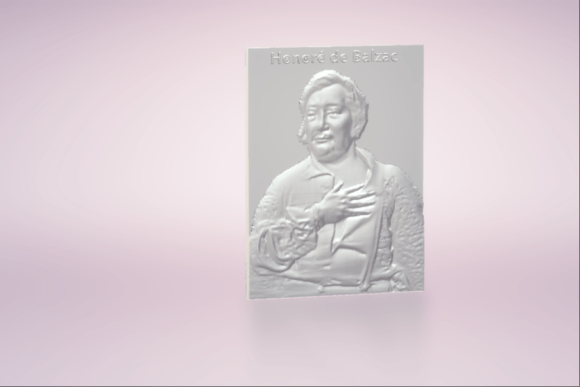
Honoré De Balzac Relief Structure: Bridging Classical Art and Modern 3D Printing
The intersection of classical sculpture and additive manufacturing has never been more compelling than with the Honoré De Balzac Relief Structure. This digital artifact is not merely a file to be downloaded; it represents a shift in how we interact with history, allowing creators to physically manifest the work of one of France's most celebrated authors through modern technology. Originally conceived by sculptor Auguste Rodin, the figure of Balzac captures the intensity of literary genius, but this specific relief structure adapts that vision for the contemporary maker.
For professionals, hobbyists, and business owners alike, the availability of such models signals a broader trend toward democratized artistry. The ability to print high-fidelity reliefs at home or in small studios changes the dynamic from passive consumption to active creation. Whether you are an entrepreneur looking to create unique merchandise, a blogger seeking engaging visual content, or an educator wanting to bring literature to life, this project offers a tangible solution. It moves beyond simple novelty, offering a practical application of design principles that prioritize efficiency without sacrificing aesthetic integrity.
Adapting Classical Design for Digital Fabrication
When approaching the Honoré De Balzac Relief Structure, the primary challenge lies in translating a three-dimensional concept into a format optimized for layer-by-layer printing. Unlike traditional casting methods where the material flows freely, 3D printing requires careful consideration of orientation and support structures. The design philosophy behind this specific model encourages a minimalist approach to printing parameters, which aligns perfectly with current industry demands for speed and sustainability.
The versatility of this relief allows for two distinct display methods. You can use this Balzac relief however you like on your desktop with a suitable base, creating a striking centerpiece for a workspace or study. Alternatively, the inclusion of a ring feature enables wall mounting, transforming the piece into a functional decorative element that saves floor space while commanding attention. This duality reflects the changing habits of modern consumers who value multi-functional decor that fits seamlessly into both professional and domestic environments.
For those prioritizing print quality over raw speed, the recommendation to print vertically stands out as a critical technical insight. By orienting the print upright, you could avoid layer effects that often mar the surface finish of large reliefs. In vertical printing, the layers build up along the Z-axis in a way that minimizes visible stepping on the flat planes of the face and clothing, resulting in a smoother, more polished appearance that rivals traditional molding techniques.
Optimizing Workflow Through Strategic Settings
In the realm of rapid prototyping and production, time is currency. The Honoré De Balzac Relief Structure offers a unique opportunity to optimize workflows by adjusting infill settings. You could use zero infill to achieve faster prints, a strategy that significantly reduces filament usage and print duration. For a relief intended for display rather than structural load-bearing, zero infill is entirely sufficient, provided the outer walls are printed with adequate thickness. This approach appeals to makers who need to produce multiple units quickly, perhaps for a limited-run product line or a series of educational tools.
However, speed should not come at the expense of durability. While you might choose zero infill for efficiency, the choice of material remains paramount. Use whichever materials you want, but PLA gives more dimensional rigidity compared to flexible alternatives. Polylactic Acid (PLA) is widely accessible and easy to print, making it an ideal candidate for beginners and experts alike. Its stiffness ensures that the delicate features of Balzac's coat and facial expression remain intact over time, resisting warping or sagging that can occur with softer filaments.
To further elevate the result, smaller layer heights yield better results, particularly when capturing the intricate textures of the fabric and the subtle contours of the face. A standard 0.2mm layer height is often acceptable, but dropping to 0.1mm or even lower can reveal details that would otherwise be lost. This level of precision is essential for users who demand a museum-quality finish. It demonstrates a commitment to excellence that resonates with audiences who appreciate fine craftsmanship, whether they are viewing the piece on a desk or hanging on a gallery wall.
Technology Empowering Creative Expression
The creation of this model is powered by Relief Sculpture Maker from MakerWorld, a testament to the collaborative nature of the open-source 3D community. This software tool simplifies the complex process of converting 2D images into printable 3D reliefs, lowering the barrier to entry for artists who may not have extensive CAD experience. By leveraging such platforms, creators can focus on the artistic vision rather than getting bogged down in technical modeling hurdles.
This evolution in technology mirrors the shifting landscape of creative practices across various industries. Marketers are increasingly using 3D printed props for campaigns, while educators utilize these models to provide tactile learning experiences. The ability to generate a high-quality relief of a historical figure like Honoré De Balzac allows for new forms of storytelling. Imagine a literature class where students can trace the lines of the relief, feeling the texture of the author's coat, or a corporate office where the relief serves as a conversation starter about innovation and perseverance.
The trend toward personalized and custom-made goods continues to grow. Businesses are moving away from mass-produced, generic inventory toward unique items that tell a story. The Honoré De Balzac Relief Structure fits perfectly into this narrative. It allows entrepreneurs to create branded merchandise that carries cultural weight, distinguishing their products in a crowded marketplace. A wall-mounted version could serve as a signature piece in a boutique bookstore, while a desktop variant could be a premium gift for literary enthusiasts.
Practical Implications for Modern Makers
As we integrate these digital assets into our physical spaces, we must consider the practical implications of ownership and maintenance. The recommendation to use a suitable base for desktop placement highlights the importance of presentation. A well-chosen base not only stabilizes the print but also enhances its visual impact, grounding the ethereal nature of the relief in a solid foundation. Conversely, the wall-mount option requires precise installation but offers a permanent display solution that integrates architecture with art.
For the professional creator, understanding the nuances of print orientation and material properties is crucial. The advice to print vertically and utilize PLA demonstrates a mature understanding of the trade-offs between aesthetics and efficiency. It suggests that success in this field comes from making informed decisions based on the specific goals of the project. Are you printing for speed? Go vertical with zero infill. Are you printing for detail? Reduce layer height and stick to rigid materials.
The broader market preference for sustainable and efficient manufacturing also plays a role here. By reducing infill and optimizing print times, users contribute to a more sustainable workflow, minimizing energy consumption and waste. This aligns with the values of conscious consumers who prefer brands and products that respect environmental constraints. The Honoré De Balzac Relief Structure is not just a piece of art; it is a case study in responsible manufacturing.
Conclusion: A New Era of Accessible Art
The journey of bringing Honoré De Balzac to life through 3D printing illustrates the power of technology to preserve and reinterpret history. It is no longer necessary to rely on expensive mold-making processes or distant galleries to access great art. With the right tools and a clear understanding of printing parameters, anyone can create a stunning representation of this literary giant.
Whether you are a seasoned maker refining your technique or a curious beginner exploring the possibilities of additive manufacturing, this project offers a rewarding challenge. It combines the timeless appeal of Rodin's masterpiece with the cutting-edge capabilities of modern printers. As we continue to explore the boundaries of what is possible, the Honoré De Balzac Relief Structure stands as a beacon of inspiration, proving that art, technology, and creativity can converge to produce something truly remarkable.