Mount Nimrod GodHead 3D Model
The Mount Nimrod GodHead is more than a digital file; it is a tangible bridge connecting the ancient world of Commagene to modern creative expression. Originating from the summit of Mount Nemrut in southeastern Turkey, this monumental head represents the legacy of King Antiochus I, who commissioned colossal stone statues in the 1st century BCE to honor Greek and Persian deities. Today, as a 3D printable model, this artifact offers history enthusiasts, educators, and designers a unique opportunity to hold a piece of UNESCO World Heritage Site history in their hands.
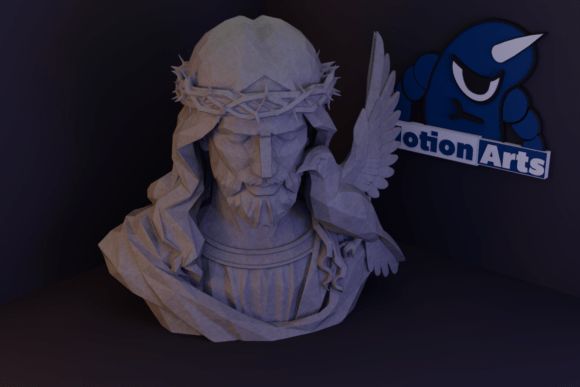
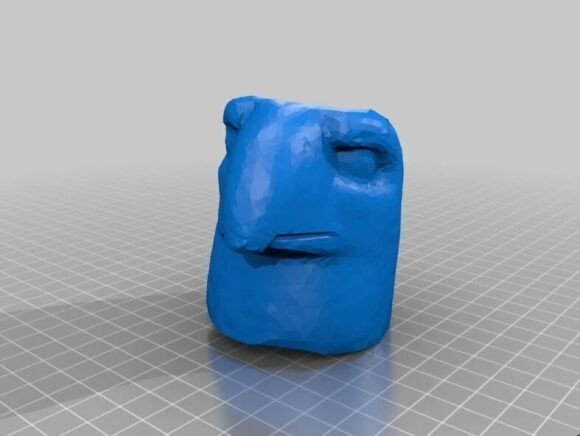
Unlike generic fantasy sculptures, this model captures the specific weathering and solemnity of the original site. The mesh is designed in a low-poly style, intentionally preserving the look of a carved, ancient stone face that has endured millennia of wind and rain. This aesthetic choice makes it particularly versatile for creators who want to evoke a sense of timelessness without needing complex sculpting skills. Whether you are an entrepreneur looking to launch a niche educational product or a hobbyist seeking a challenging print, the Mount Nimrod GodHead provides a grounded starting point for innovation.
Understanding the Historical Context
To appreciate the value of this 3D model, one must understand the significance of the source material. The heads on Mount Nemrut were once part of a massive sanctum where the king sought to merge his own divinity with that of Zeus, Apollo, and Mithras. These statues are iconic not just for their size, but for the cultural synthesis they represent. When you download and print this model, you are replicating a symbol of human ambition and spiritual inquiry.
The model retains the essential contours of the original stone carving. The low-poly geometry simplifies the complex curves of the hair and beard into geometric facets, mimicking the rough-hewn nature of the actual mountain monuments. This stylistic decision is practical as well as artistic. It reduces printing time and filament usage while ensuring that the final object remains legible and recognizable even at smaller scales. For educators, this distinction is crucial; it allows students to examine the facial features and the "weathered" texture up close, fostering a deeper understanding of how ancient artists approached form and erosion.
Creative Applications for Modern Creators
The versatility of the Mount Nimrod GodHead extends far beyond simple display. Its design invites a wide range of interpretations across different industries and creative disciplines. Designers can use the base mesh as a foundation for custom textures, while marketers might leverage the image for storytelling campaigns focused on heritage and longevity.
- Educational Tools: Teachers can integrate the printed model into history lessons about the Hellenistic period. By holding a physical replica, students can better grasp the scale and artistry of the original statues compared to viewing them only in two-dimensional photographs.
- Artistic Reinterpretation: Artists can modify the model to create variations. Some might choose to keep the gray, stone-like appearance to maintain historical accuracy, while others could experiment with vibrant colors to represent the gods' mythical attributes.
- Architectural Miniatures: Landscape architects and tabletop game designers often need high-quality props. This godhead fits perfectly into dioramas representing ancient civilizations or fantasy settings inspired by real-world mythology.
- Jewelry and Accessories: Because the model prints well upright, it can be scaled down significantly. Engravers and jewelry makers can adapt the design for pendants or brooches, creating wearable art that carries a story of antiquity.
Technical Guidelines for Optimal Printing
Success with this project depends on respecting the technical specifications of the mesh. The model is optimized for FDM (Fused Deposition Modeling) printers, specifically designed to be printed upright without the need for supports. This feature is a significant advantage, as it eliminates the risk of support marks marring the delicate facial features of the godhead.
For the best results, follow these recommended settings:
- Layer Height: Use a standard 0.2 mm layer height. This setting balances surface smoothness with print speed, capturing enough detail to show the weathered texture without causing excessive stair-stepping.
- Orientation: Always orient the model vertically. Printing it standing up ensures that the chin and neck are supported by the build plate, preventing any sagging or deformation during the long print cycle.
- Scale: Consider printing the model larger than the default size. A larger print allows for better definition of the facial contours and the intricate patterns of the beard, which are key to the model's character.
If you are aiming for a museum-quality finish, post-processing is highly recommended. After printing, sanding the surface lightly can remove layer lines, making the object feel more organic. Applying a matte gray paint or a specialized stone-texture spray can transform a plastic print into something that looks like it was chiseled from the rock itself. This step adds weight and visual depth, enhancing the realism of the Mount Nimrod GodHead.
Adapting the Model for Different Audiences
Different users will approach this asset with varying goals. Understanding your audience is key to maximizing the utility of the model. For the entrepreneur, the focus should be on packaging and narrative. Selling the model as part of a "History in Your Hands" kit requires clear instructions on how to assemble and paint the piece, adding value through the educational content provided.
Hobbyists and makers often seek challenge and customization. They might be interested in combining the godhead with other elements, such as a base depicting the Mount Nemrut landscape. In this context, the low-poly style becomes a stylistic choice rather than a limitation, allowing for a cohesive look when paired with similarly styled terrain models.
For marketers and bloggers, the model serves as a powerful visual hook. High-resolution renders of the printed model can be used in articles discussing the preservation of cultural heritage or the intersection of technology and history. The contrast between the ancient subject matter and the modern manufacturing process creates a compelling narrative that resonates with tech-savvy audiences.
Maintaining Consistency and Originality
When working with historical assets, it is important to balance creativity with respect. While the Mount Nimrod GodHead allows for artistic license, the core identity of the statue should remain intact. Avoid over-stylizing the face to the point where it loses its historical connection. Instead, let the weathered texture and the specific geometry speak for themselves.
To ensure your projects remain effective and organized, document your process. Keep notes on your printer settings, filament choices, and painting techniques. This documentation not only helps you replicate successful results but also adds credibility to your work if you share it publicly. Whether you are publishing a tutorial, selling a finished product, or simply sharing a photo on social media, a clear and consistent approach builds trust with your audience.
The Mount Nimrod GodHead is a testament to the enduring power of human creativity. From the ancient carvers of Commagene to the digital designers of today, the impulse to capture the divine in stone continues. By bringing this model to life, you join a lineage of creators who use technology to preserve and celebrate our shared past. Whether you are printing a single piece for personal enjoyment or producing a collection for a global market, this model offers a solid foundation for meaningful and inspiring work.