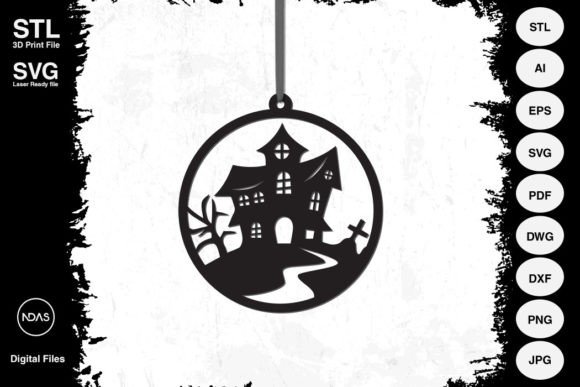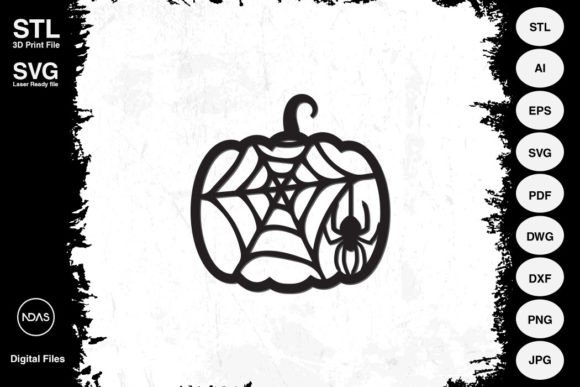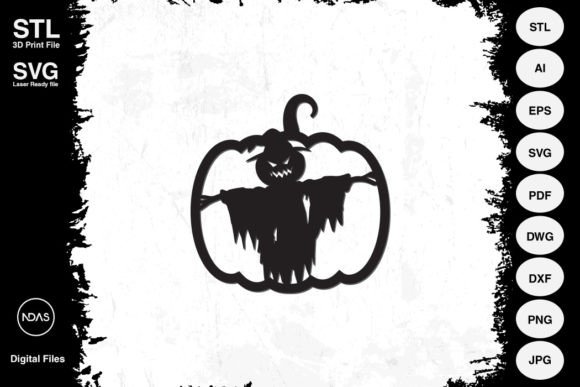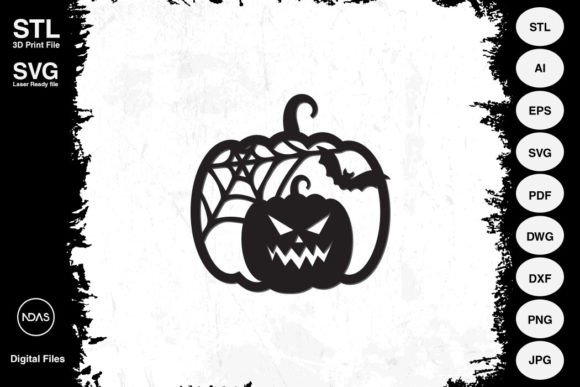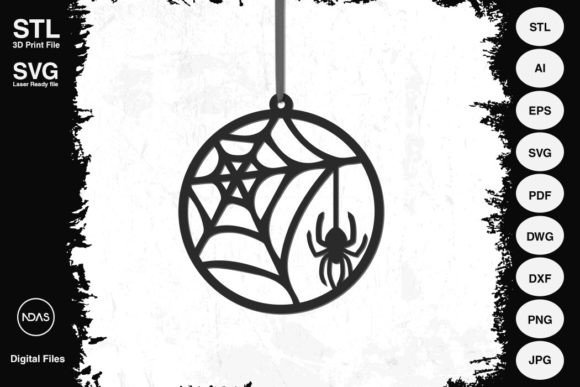
Spider Halloween Decor Ornament Pendent
The Spider Halloween Decor Ornament Pendent represents a versatile digital asset designed for creators who want to add a touch of spooky elegance to their seasonal projects. Unlike mass-produced plastic decorations, this file-based offering provides the flexibility to customize size, material, and finish according to specific aesthetic or functional needs. Whether you are looking to create intricate wall hangings, delicate tree ornaments, or bold laser-cut signage, understanding the technical specifications and creative potential of this design is essential for achieving professional results.
Understanding the Digital Format and Versatility
At its core, this product is not a physical object but a collection of high-quality digital files tailored for various manufacturing technologies. The inclusion of STL, AI, SVG, EPS, PDF, DXF, DWG, PNG, and JPG formats ensures compatibility across a wide spectrum of devices and software. This multi-format approach is particularly valuable because it bridges the gap between different types of makers. For instance, an STL file is specifically structured for 3D printing, allowing users to manipulate layer height, infill density, and support structures to create three-dimensional spider figures with realistic leg articulation. Conversely, vector files like SVG and DXF are optimized for flat-bed cutting machines, enabling precise cuts through materials such as acrylic, plywood, or cardstock.
This diversity in file types means that a single purchase can serve multiple project goals. A hobbyist might use the SVG file for a quick paper craft activity with children, while a small business owner could utilize the DXF file to produce wooden ornaments for sale at local markets. The ability to scale these designs without losing quality is a significant advantage. The approximate 2D dimensions of 4.5 by 4.85 inches provide a standard reference point, but the digital nature allows for infinite scaling. You can shrink the design for tiny earring charms or enlarge it for large-scale window decals, making it a highly flexible resource for diverse applications.
Evaluating Use Cases Across Different Audiences
Different groups approach this type of digital decoration with varying priorities and expectations. Understanding how these perspectives differ helps in determining whether this specific design aligns with your current project requirements.
For Beginners and Hobbyists
For those new to crafting or digital fabrication, the primary concern is often ease of use and accessibility. The availability of simple raster images like PNG and JPG allows beginners to use basic image editing software or even hand-trace the design onto cardboard or foam board. These users typically prioritize low cost and minimal setup time. They may not have access to expensive laser cutters or 3D printers, so the ability to print the PDF or DXF file on standard home printers and cut by hand is crucial. The spider theme itself is universally recognized, requiring no complex assembly instructions beyond cutting and assembling the pieces, which makes it ideal for weekend family projects or classroom activities.
For Creators and Small Business Owners
Entrepreneurs and Etsy sellers look for commercial viability and uniqueness. While the base design is provided, professionals often seek the freedom to modify the artwork to create a unique brand identity. The inclusion of AI and EPS files is critical here, as these editable vector formats allow for tweaking line weights, adding custom text, or combining elements with other graphics. A seller might decide to offer the ornament in premium materials like stained wood or gold-plated acrylic to justify a higher price point. For these users, the focus shifts from mere functionality to market differentiation. They evaluate the design based on its aesthetic appeal, scalability for bulk production, and the potential for creating complementary product lines, such as matching bat or pumpkin pendants.
For Educators and Technologists
In educational settings, this ornament serves as an excellent teaching tool for geometry, spatial reasoning, and digital literacy. Teachers can use the STL file to demonstrate principles of 3D modeling, explaining how digital coordinates translate into physical objects. Students can experiment with slicing software, learning about nozzle temperatures, bed adhesion, and print orientation. Similarly, the vector files can introduce students to CAD (Computer-Aided Design) concepts, showing how curves and lines define shapes in two dimensions. For these users, the value lies in the educational outcomes: fostering creativity, problem-solving skills, and familiarity with modern manufacturing tools.
Material Considerations and Quality Control
The success of any project involving the Spider Halloween Decor Ornament Pendent depends heavily on material selection. The design’s thin profile, with a Z-axis depth of approximately 0.25 inches for the 3D version, suggests it is best suited for lightweight materials. However, the choice of material drastically alters the final look and durability.
- Wood and MDF: Using a laser cutter on birch plywood or MDF yields a warm, natural aesthetic suitable for rustic home decor. It is important to consider the thickness of the sheet; standard 3mm or 4mm sheets work well for both cutting and light engraving details.
- Acrylic: Clear or colored acrylic offers a modern, sleek appearance. Laser cutting acrylic produces clean, polished edges that require no sanding. Transparent versions can catch light beautifully when hung near windows, enhancing the "web" effect of the design.
- Paper and Cardboard: For temporary decorations or party favors, heavy-weight cardstock provides enough rigidity to hold its shape while remaining easy to handle. This is the most cost-effective option for large-scale events where decorations are discarded after use.
- Metal: Thinner metals like brass or aluminum sheets can be laser cut for a premium, industrial look. However, this requires specialized equipment and safety precautions, making it less accessible for casual hobbyists.
When evaluating quality, users should inspect the source files for clean paths and closed loops. Poorly constructed vector files can lead to jagged cuts or printer errors. Since this product includes multiple format types, checking the integrity of each file before production is a prudent step. For 3D printing, ensuring that the legs do not intersect incorrectly in the STL model prevents structural weaknesses during printing.
Maximizing Creative Potential
To get the most out of the Spider Halloween Decor Ornament Pendent, consider integrating it into larger compositions. The design’s symmetry and recognizable silhouette make it an effective focal point. You might arrange multiple pendants at varying heights to create a cascading web effect in a doorway. Alternatively, using the laser-cut files to create layered shadows on a wall can produce a dynamic, three-dimensional illusion without needing actual depth.
Color plays a vital role in presentation. While traditional black and orange remain popular, experimenting with metallic foils, glitter-infused filaments for 3D printing, or stained wood finishes can elevate the design from a simple craft to a sophisticated decorative piece. For marketers and bloggers, documenting the creation process—such as time-lapses of laser cutting or 3D printing—can generate engaging content that resonates with audiences interested in DIY culture and sustainable crafting practices.
Conclusion
The Spider Halloween Decor Ornament Pendent is more than just a seasonal decoration; it is a adaptable digital tool that empowers users across skill levels to bring their creative visions to life. By leveraging the variety of included file formats and selecting appropriate materials, you can tailor the outcome to fit your specific context, whether that is a fun classroom project, a unique handmade gift, or a commercially viable product. As you explore its possibilities, remember that the true value lies in your ability to adapt and innovate with the provided resources, turning a simple spider motif into a personalized statement of style and craftsmanship.