Transform Your Space with Mountain Range Wall Decoration: The Ultimate Guide to Laser Cut, CNC, and 3D Printing Designs
In the world of interior design, few elements evoke as much sense of calm, grandeur, and natural beauty as the mountain range wall decoration. Whether you are looking to create a focal point in a living room, add texture to an office space, or craft a unique gift for an outdoor enthusiast, mountain-themed art has become a staple of modern decor. However, the method of creation has evolved significantly. Today, enthusiasts and professionals alike are turning to digital fabrication technologies like laser cutting, CNC routing, and 3D printing to bring these majestic landscapes to life.
This article explores the versatility, significance, and practical application of mountain range designs in home and business environments. We will delve into how digital files empower creators to produce stunning, scalable art using various materials, ensuring that your vision matches your technical capabilities perfectly.
The Allure of Mountain Art in Modern Interiors
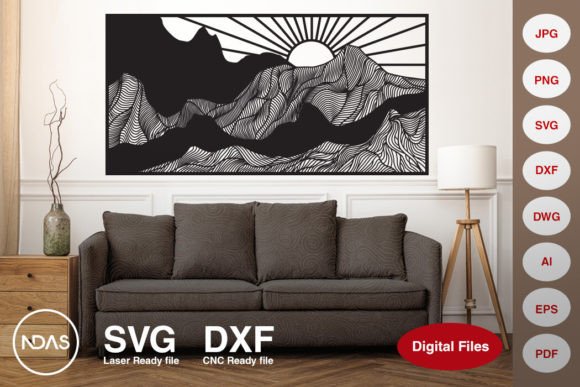
Why do mountains resonate so deeply with us? Psychologically, they represent stability, endurance, and the sublime power of nature. In interior design, incorporating a mountain range wall decoration serves more than just an aesthetic purpose; it creates an atmosphere of tranquility. Unlike flat paintings, laser-cut or CNC-routed mountain art offers depth and shadow play, creating a dynamic visual experience that changes throughout the day as sunlight moves across the room.
For businesses, such as cafes, hotels, or co-working spaces, this type of decor can define the brand identity. It suggests a connection to the outdoors, adventure, and sustainability. For homeowners, it is a way to bring the serenity of the wilderness indoors without leaving the city. The key to unlocking this potential lies in the precision of the manufacturing process and the flexibility of the design file.
Digital Precision: From STL to DXF Files
The foundation of any successful DIY project or commercial production line begins with the right digital asset. Modern design tools have democratized access to high-quality patterns, allowing users to transform a simple image into a physical masterpiece. The product we are discussing provides a comprehensive suite of file formats designed to cater to every type of maker and machine.
For 3D Printing Enthusiasts:
- STL Files: These are the standard format for 3D printers. They allow you to create a layered, textured version of a mountain range, perfect for adding a tactile dimension to your wall art.
For Laser Cutters and CNC Routers:
- DXF and DWG Files: These vector formats are essential for computer-aided design (CAD) software. They ensure that your cut lines are precise, allowing for intricate details in the peaks and valleys of the mountain range.
- EPS and AI Files: Ideal for professional graphic designers who need to edit the artwork before sending it to the cutter. These files maintain scalability without losing quality.
- PDF Files: A universal format that ensures your design remains consistent across different operating systems and machines.
For Hobbyists and Paper Crafters:
- JPG and PNG Files: While raster images are less precise for cutting machines, they are perfect for paper cutting projects, Cricut, Silhouette, or even for transferring designs onto wood via heat transfer methods.
The inclusion of all these formats means that whether you are a seasoned engineer or a beginner crafter, there is a pathway for you to create your own mountain range wall decoration.
Material Versatility: What Can You Use?
One of the most exciting aspects of digital fabrication is the freedom to choose your material. The design provided is optimized for a standard size of 48x24 inches (a 2:1 ratio), but one of its greatest strengths is scalability. You can resize the design to fit a small bedside table or expand it to cover an entire conference room wall.
Wood and Engineered Materials:
The classic choice for mountain art is wood. Plywood offers a warm, natural grain that complements the rugged look of mountains. MDF (Medium Density Fiberboard) provides a smooth surface ideal for painting after cutting, while HDF (High Density Fiberboard) offers greater durability and density for finer cuts. These materials work exceptionally well with both laser cutters and CNC routers.
Plastics and Acrylics:
For a modern, sleek aesthetic, consider using acrylic or other plastics. Acrylic can be cut with a laser to achieve crystal-clear edges or colored layers that mimic the changing light of a sunrise over a peak. This material is durable and adds a contemporary edge to the traditional mountain motif.
Metal and Cardstock:
If you have access to a plasma cutter or a heavy-duty CNC, metal sheets (such as aluminum or steel) can create industrial-chic art pieces that last a lifetime. Conversely, if you are working on a budget or want a temporary installation, cardboard or thick paper are excellent options. Paper allows for incredibly delicate details that might be too fragile in wood, making it perfect for Cricut or Silhouette machines.
Practical Applications Across Industries
The utility of a mountain range wall decoration extends far beyond simple home decor. Its adaptability makes it a valuable tool in various sectors:
- Educational Settings: Schools and universities often use these designs to teach students about geography, geology, and engineering. Students can learn about topography by building their own 3D printed models or calculating the dimensions for a CNC project.
- Retail and Hospitality: Boutiques, ski lodges, and hiking gear shops use this decor to immerse customers in the brand's theme. A large-scale CNC-cut mountain panel behind a counter instantly communicates the store's values.
- Corporate Offices: Open-plan offices benefit from acoustic panels made from MDF or felt backed with mountain designs. This combines sound dampening with visual interest, reducing stress and boosting productivity.
- Personal Creativity: For hobbyists, this project is a gateway to learning CAD software, understanding material properties, and mastering machine operation. It is a rewarding way to spend a weekend creating something tangible.
Clarifying Common Misunderstandings
When purchasing digital design files, it is crucial to understand what you are buying to avoid disappointment. A common misconception is that the purchase includes a physical item. Please note: No physical items are contained in this listing. You are purchasing the intellectual property and the digital instructions to create the art yourself.
Another frequent confusion involves the difference between laser cutting and CNC routing. While both processes use digital files, lasers burn away material using a focused beam of light, which is great for thin materials like acrylic or plywood. CNC machines use rotating bits to carve out material, which is better for thicker woods and metals where you want to remove significant volume. The files provided (DXF, SVG, etc.) are compatible with both, but the settings and post-processing steps will differ based on the machine you choose.
Getting Started with Your Project
Ready to create your own mountain range wall decoration? Here is a simple roadmap to get you started:
- Select Your Format: Download the appropriate file (e.g., DXF for CNC, STL for 3D print).
- Choose Your Material: Decide on wood, acrylic, or metal based on your desired finish and budget.
- Scale Appropriately: Adjust the design in your software to fit your wall space. Remember, the base size is 48x24 inches, but scaling is fully supported.
- Set Up Your Machine: Configure your laser cutter or CNC router with the correct speed, power, and feed rate for your chosen material.
- Assemble and Install: Once cut, sand the edges, paint or stain if desired, and mount your creation securely to the wall.
Conclusion
The intersection of nature and technology has never been more accessible. With a mountain range wall decoration designed for digital fabrication, you hold the power to create art that is not only visually stunning but also technically impressive. Whether you are utilizing PLA filament for a 3D printer, slicing through plywood with a laser, or engraving aluminum with a CNC router, the result is a piece of art that brings the majesty of the mountains into your daily life.
By providing a wide array of file formats including STL, EPS, PDF, DXF, DWG, JPG, and PNG, this resource ensures that creativity knows no bounds. Embrace the challenge, experiment with different materials, and let your walls tell the story of the wild. Start your project today and transform your space with the timeless appeal of the mountains.